-
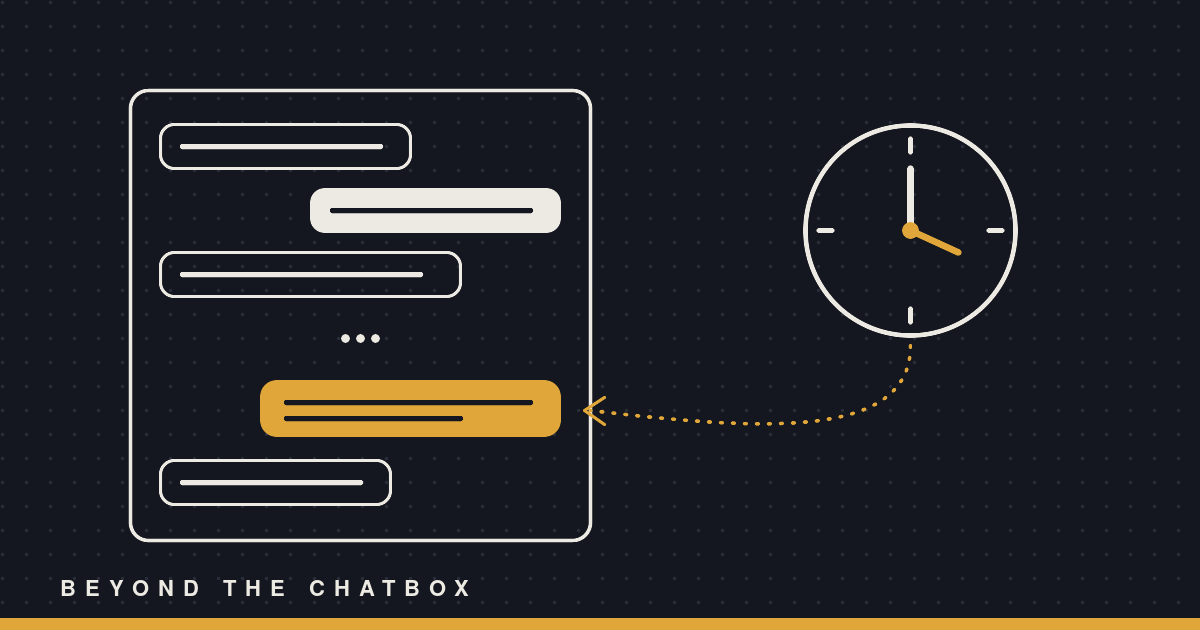
How to Set a One-Time Reminder That Comes Back to the Same Conversation
Sometimes you’re halfway through something and you can’t finish it yet. The vendor hasn’t answered, the numbers don’t post until Friday, or you just want a second look at a draft after it’s had a day to sit. What you want is for Claude to tap you on the shoulder later, in this same chat,…
-
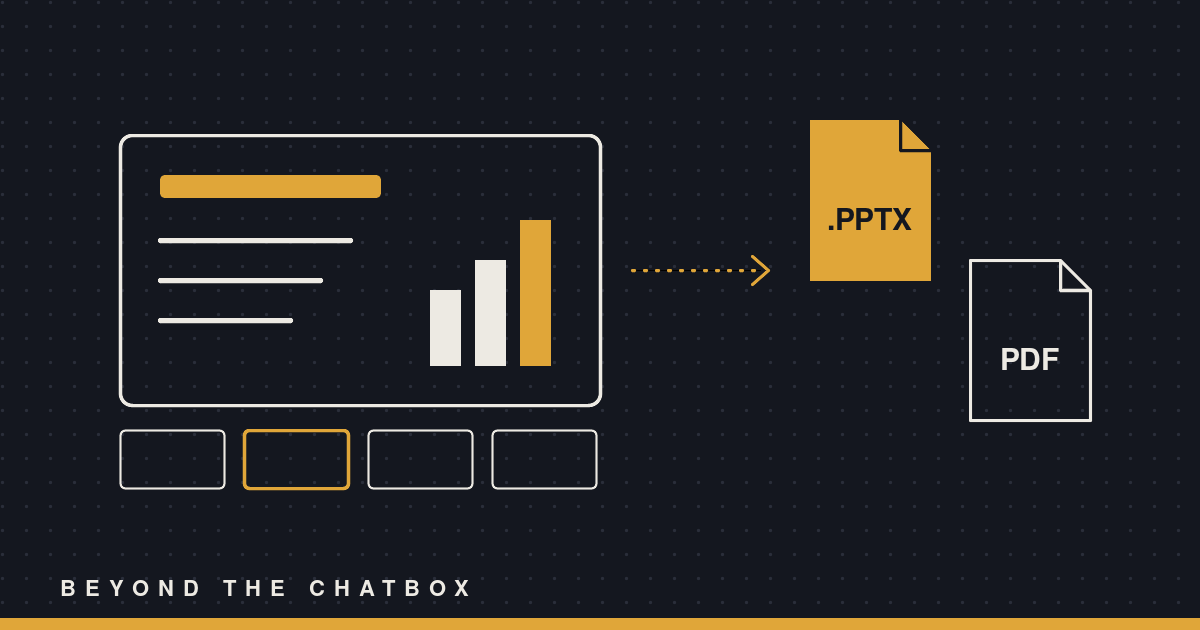
How to Make a Slide Deck in Claude and Still Walk Away With a PowerPoint
Ask Claude for a presentation and you might expect a .pptx file to land in the chat. These days you usually get something else first: a live deck that opens right there, one you can page through, present from, and fix by hand. That throws some people off, because the meeting is in PowerPoint and…
-
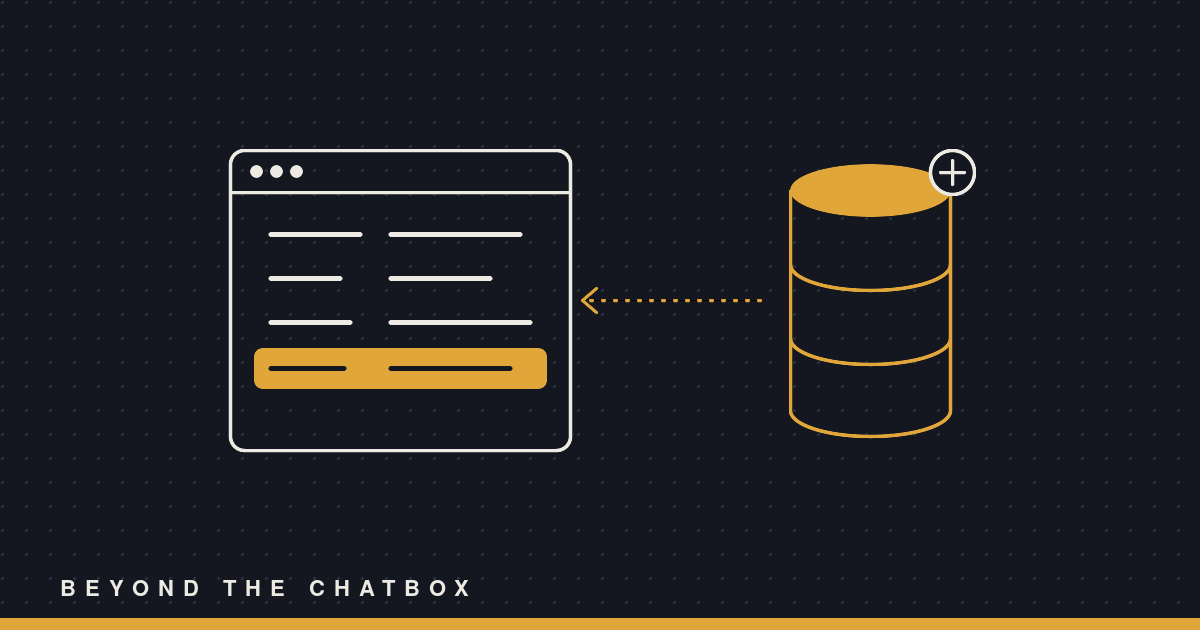
How to Give a Live Page Its Own Shared Database
Most pages Claude builds for you are frozen the second they’re published. A sign-up sheet made that way holds whatever names were typed into the HTML, and adding one more person means rebuilding the page. There’s a better setup for anything that collects records over time, and it’s a small database that lives behind the…
-
It’s Also Counting What It Already Quoted
Ask an agent to help you work through a long article, one section at a time, and each answer on its own looks completely fine. One quote, a short one, properly attributed. Ask again about the next section, same thing. By the fifth or sixth exchange, you’ve technically never broken a single rule in any…
-
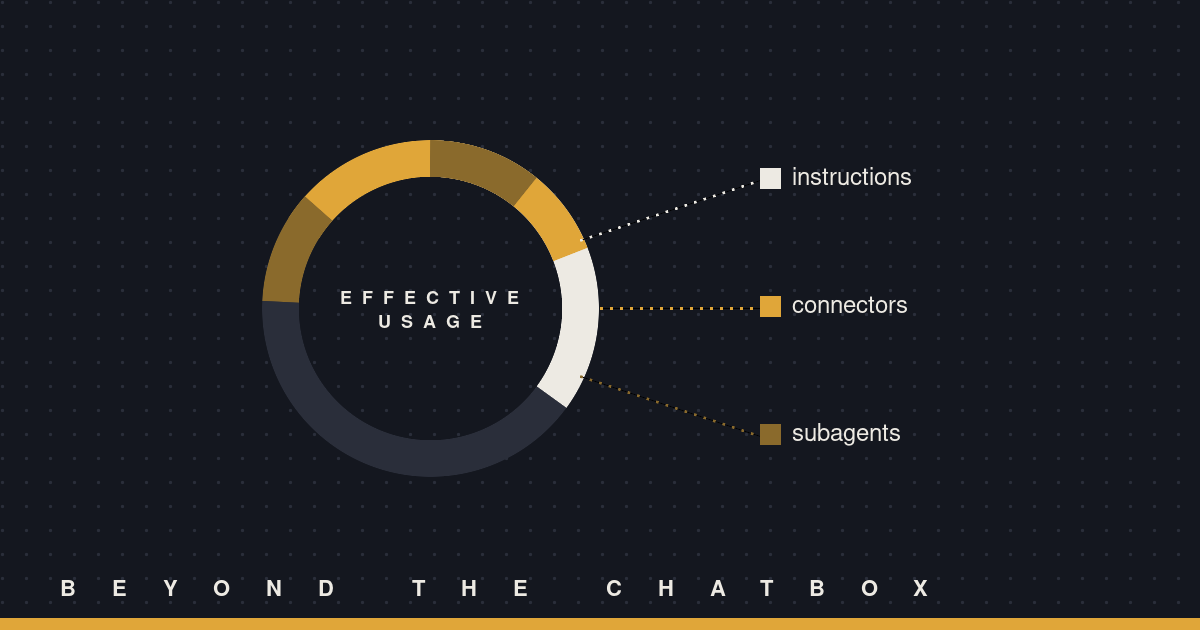
How to Read Your Own Token Usage With the Explain-Usage Skill
Ask “where did my tokens go” and most tools hand you a raw number. A session used however many thousands of tokens, full stop. That’s not an answer; it’s a receipt with no line items. There’s a skill built for exactly this question, and instead of a total, it gives you a breakdown you can…
-
How to Build a Skill From Scratch With the Skill-Creator Tool
There’s a skill for building skills. That sounds like a joke, but it’s the fastest way to go from “I keep explaining this the same way every time” to a file Claude reads on its own. Here’s what actually happens when you use it, start to finish. Scaffolding the draft Skill-creator doesn’t start by asking…
-
How to Split One CLAUDE.md Into Separate Workstations
At some point, one CLAUDE.md file stops being able to hold everything. It’s got “reply in the same thread as the last email” sitting a few lines above “always build a branding card for every blog post,” and neither rule is wrong; they just have nothing to do with each other. Once you’re using Claude…
-
How to Get Claude to Find You a New Tool When You Don’t Have One Yet
Ask for something that clearly involves another app, “spot issues in my Medicare documentation,” “ping the team that the build is green,” “who’s oncall this week,” and there’s an obvious failure mode: Claude doesn’t have a connector for that yet, and just says so. Task over, back to doing it yourself. That’s not actually what…
-
The Word “Dashboard” Doesn’t Always Mean What You Think
Ask for a dashboard, and you’d expect the same thing every time: a page that sticks around, pulls fresh numbers, and is still there next week when you check it again. Mostly, that’s what happens. But say “just to see what it’d look like” in the same breath, and the word “dashboard” stops mattering. You…
-

It Checks for an Existing Thread Before Writing a New One
Ask an agent to email someone about an invoice, and the easy path is to just write the email. New draft, new subject line, done. The trouble is you probably already emailed that person about the invoice three weeks ago, and now there are two threads sitting in your inbox instead of one, each with…
-
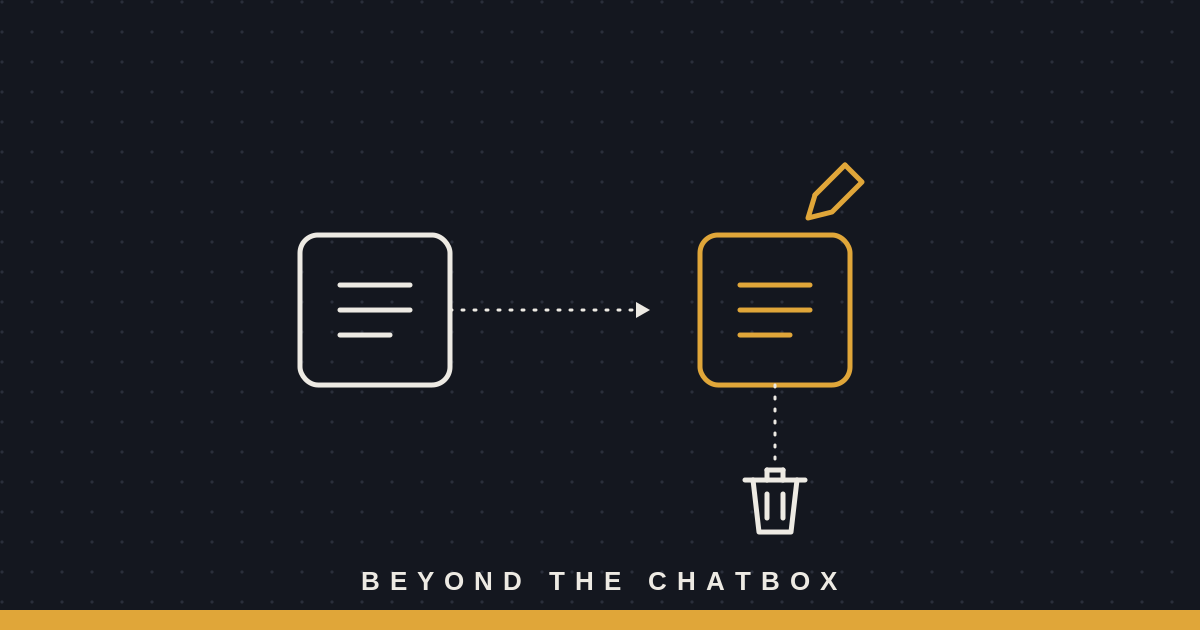
It Works in a Copy So the Original Stays Safe
Ask Claude to hand a risky refactor to a subagent, and there are two ways that work could land. It could edit the files sitting right in front of you, the same ones open in your editor, with changes showing up before anyone’s decided whether they’re any good. Or it could go do that work…
-
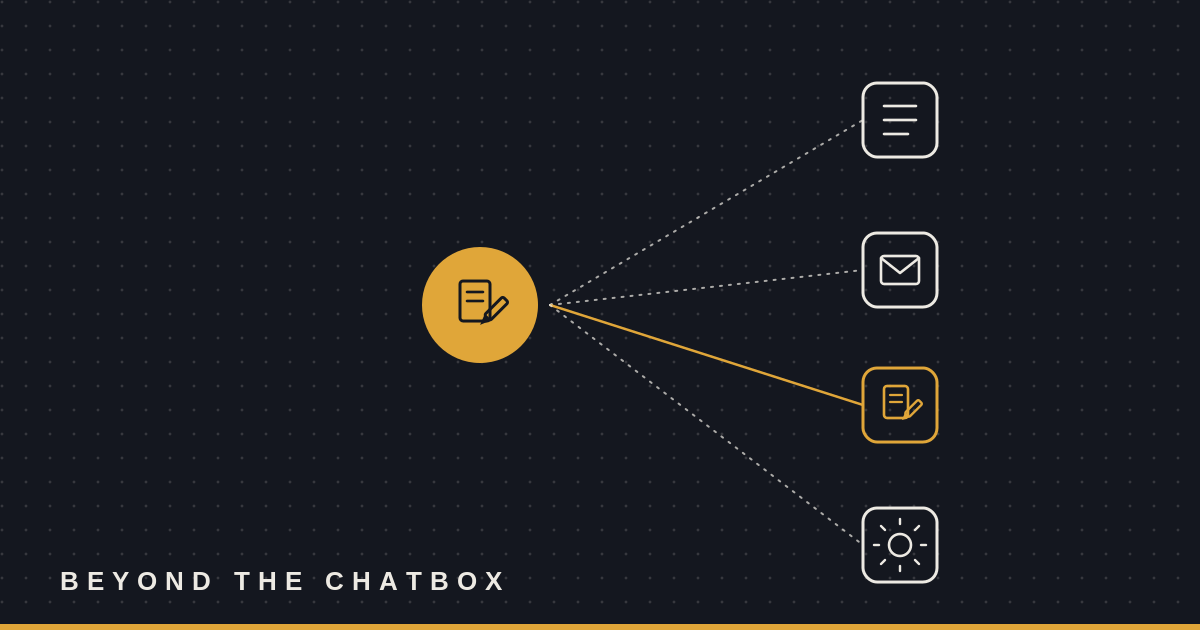
A Memory File Cleans Itself Up
Every session starts the same way: read the memory file, then get to work. Do that for a few months and the file stops being a quick briefing and turns into an archive. A deadline that passed in June is still sitting next to this week’s actual preferences. Two entries describe the same project because…
-
The Voice File That Edits Itself
You ask Claude to draft an email. It comes back close, but not quite right: one sentence sounds like a press release instead of you. You fix that one line and send it. Nothing else happens. That correction, the actual proof of what “sounds like you” means in this specific case, evaporates the second the…
-
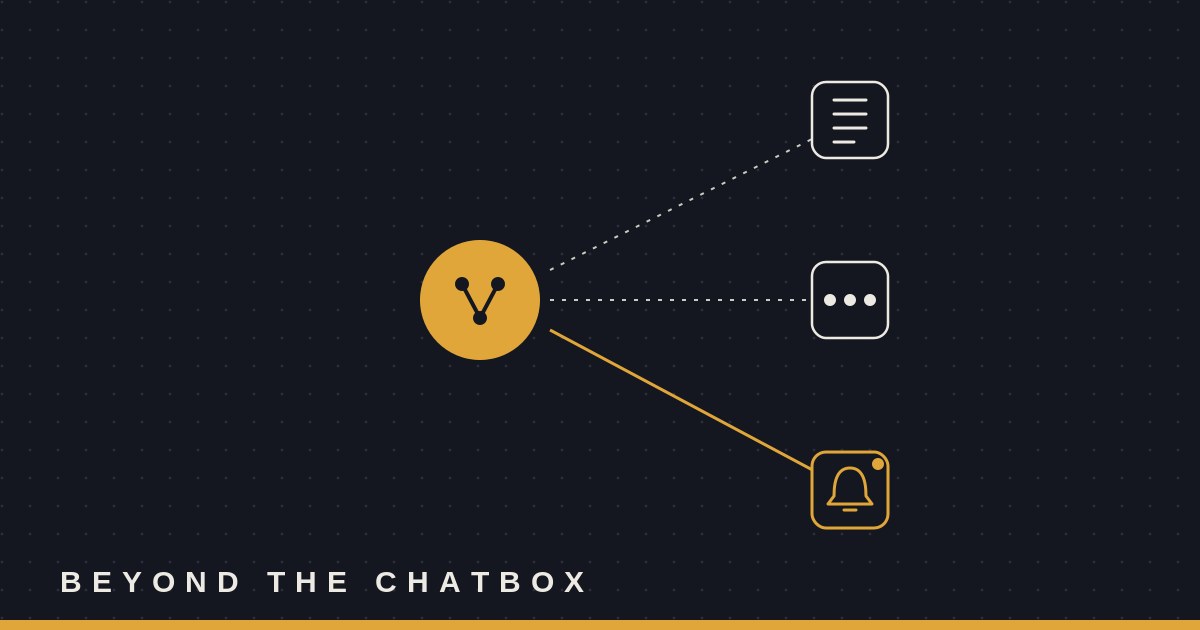
How to Handle a Skill That Runs in the Background
Most of the time, triggering a skill feels instant. You type a name, or your request matches one closely enough, and the instructions load right into the conversation you’re already having. Same chat, same reply, just with better instructions behind it. Some skills don’t work that way. Trigger one of those, and instead of an…
-
A Tattoo You Can’t See and Can’t Check
Anthropic announced this month that Claude now embeds an invisible watermark in the text it generates. Every response, quietly tagged. Not visible to you, not visible to the reader, but detectable to anyone holding Anthropic’s key. Files get a lighter version of the same idea: a signed C2PA credential tucked into the metadata of any…
-
Not All Subagents Are the Same
Ask Claude to track down where a function lives somewhere in a sprawling codebase, and it won’t dig through the files itself. It spins up a separate agent, hands over the question, and waits for the answer. That part of the story is familiar by now. What’s easy to miss is that the agent it…
-
The Workstation With Its Own Rulebook
One CLAUDE.md file sounds efficient right up until it has to hold “match the formality of whoever I’m replying to” and “avoid anything that trips an AI-content detector” at the same time. Those are both real rules. They just have nothing to do with each other, and stapling them into one document means Claude is…
-
The Agent That Goes Shopping For Tools
Ask Claude to pull something from Canva and, if you’ve never connected Canva, you’d expect one of two answers. Either it tells you it can’t, full stop, or it opens a browser and starts clicking around like an intern with no login. It does neither. First it checks whether there’s an actual connector for Canva,…
-
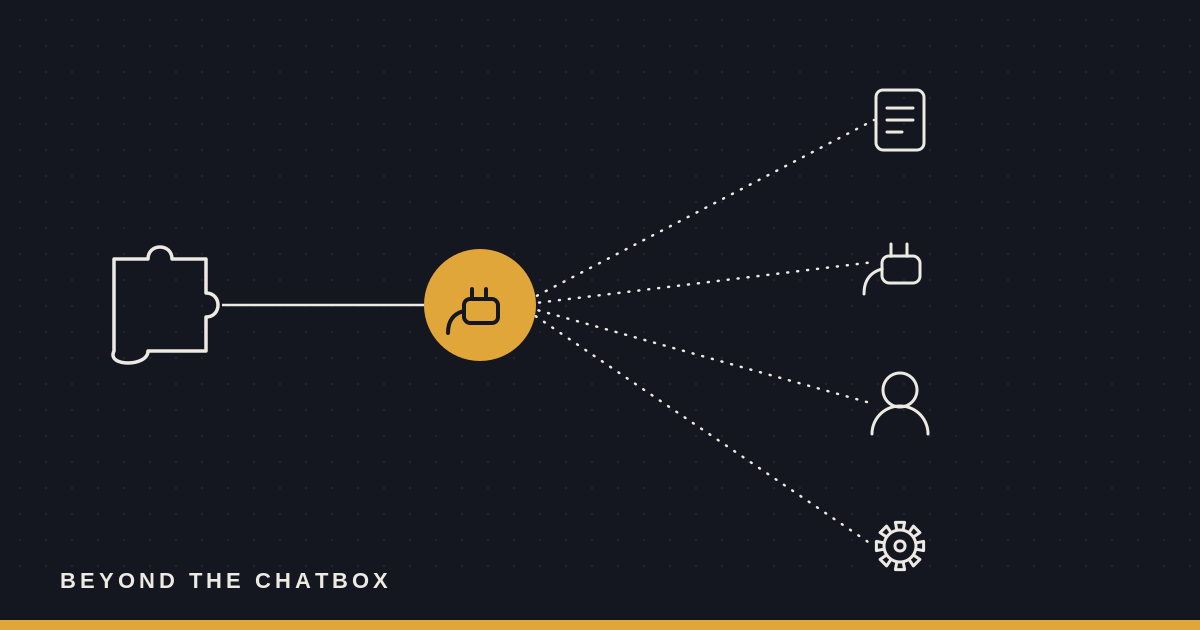
A Plugin Is a Skill With Friends
Install one skill and you’ve taught Claude a single habit. Install a plugin and you’ve handed it a whole job description. That’s the short version of what’s different here, but it’s worth slowing down, because “plugin” gets used loosely enough that people assume it’s just a bigger skill, or a fancier connector. It’s neither. It’s…
-
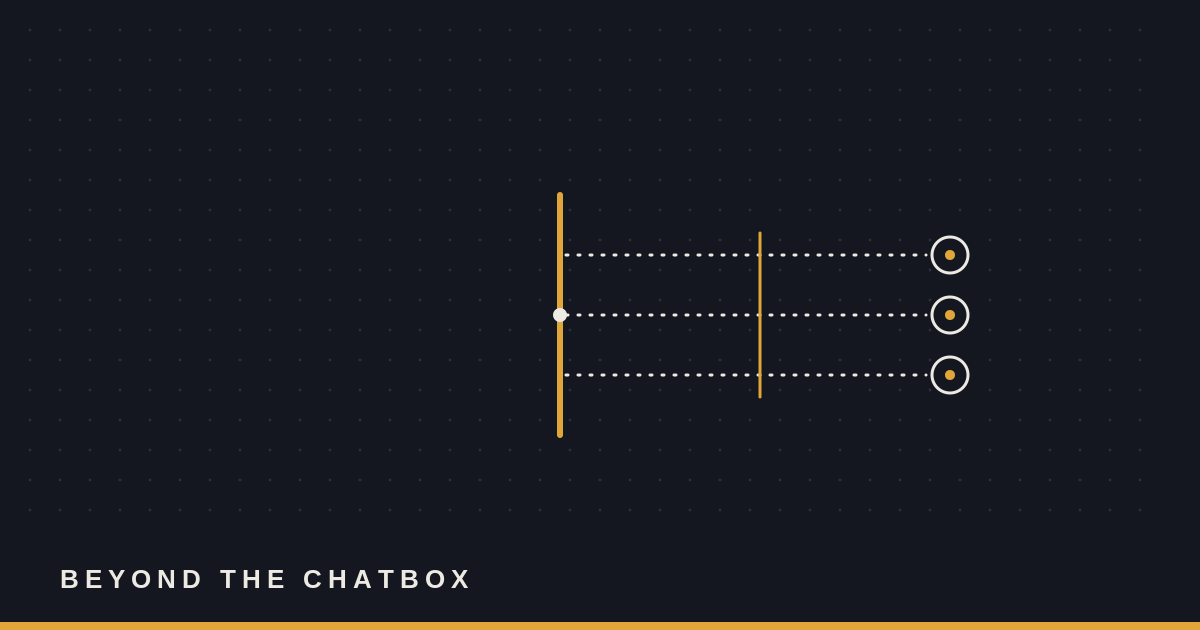
Doing Three Things at Once
Ask an agent to check the weather, pull tomorrow’s calendar, and look up a flight status, and there are two ways it can go. It can check the weather, wait for the answer, then check the calendar, wait for that answer, then look up the flight, wait again. Or it can fire all three at…
-

How to Set Up a Recurring Task in Claude Cowork
Every Saturday, Monday, and Wednesday at 8 in the morning, a session wakes up on its own, reads through this blog’s back catalog so it doesn’t repeat itself, brainstorms five new post ideas, writes them into a log file, and drops a reminder in a Gmail draft that a post is due the next day.…
-
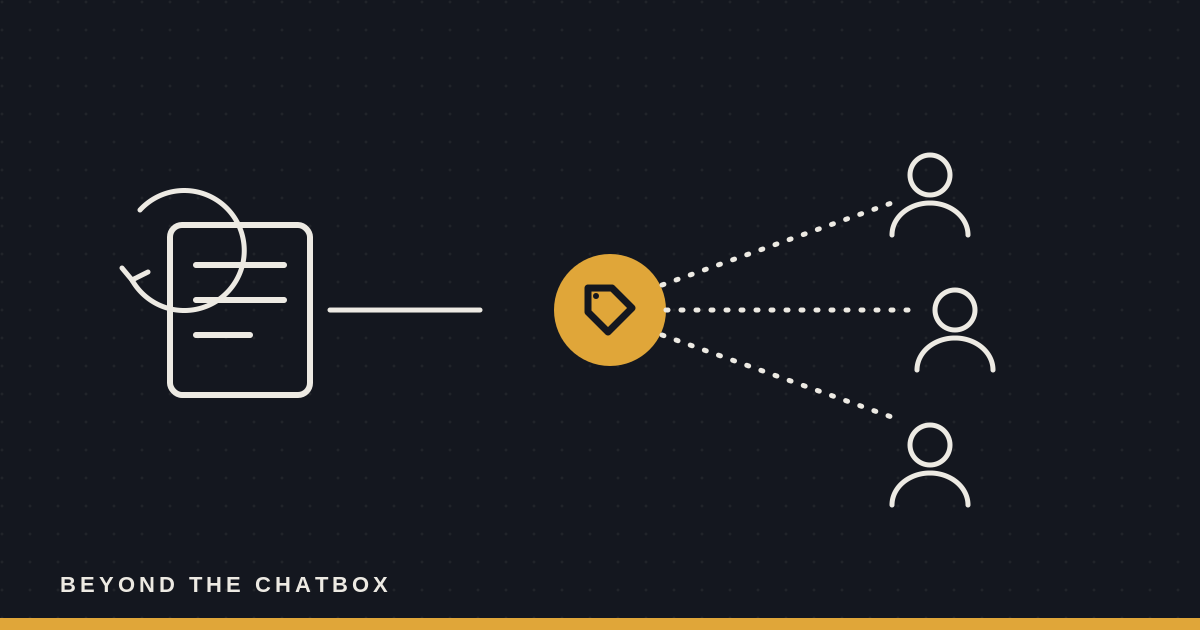
How to Turn a Repeated Prompt Into a Reusable Skill
If you’ve typed some version of the same paragraph into Claude three times this month, that paragraph wants to be a skill. Here’s the pattern that usually gives it away. You’ve got a task you do often enough to have opinions about it: draft a weekly status update in a certain format, review a pull…
-

The Trust Ladder
The first task I ever handed an agent was “summarize this email thread.” Low stakes. If it got the summary wrong, I’d catch it in five seconds by just reading the thread myself. A year later, the same kind of tool is drafting replies, labeling an inbox, and running scheduled tasks that operate while I’m…
-
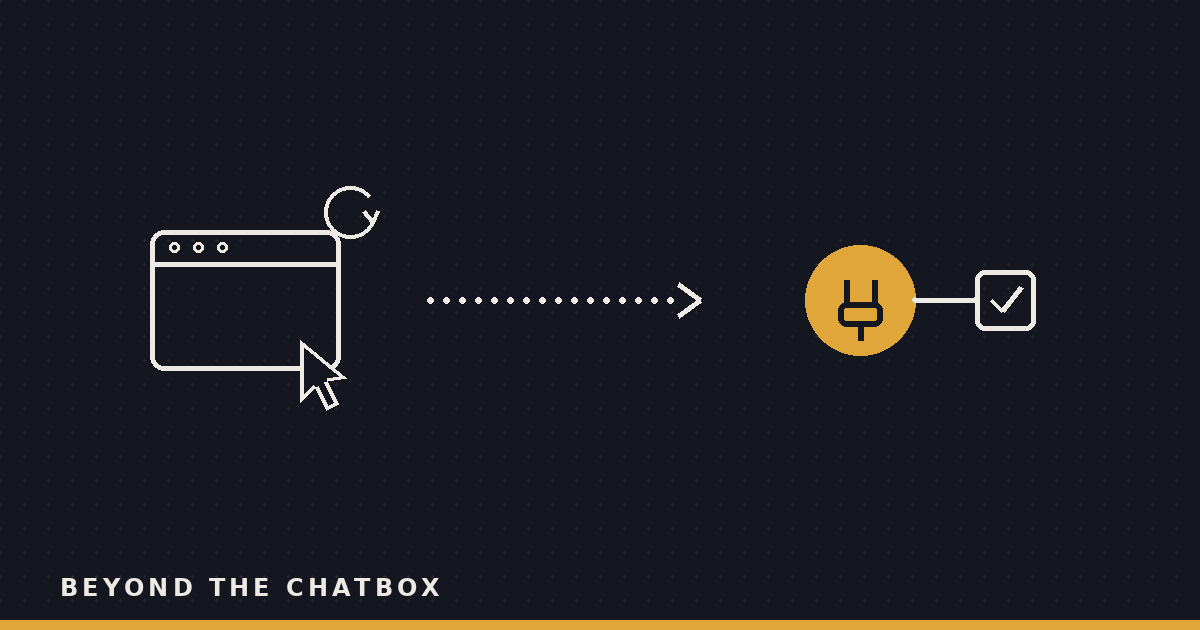
Letting AI Drive the Mouse
The first time you watch an AI agent move a cursor across your screen on its own, it’s a little unnerving. It clicks a button, waits, scrolls, types into a field, all without your hand anywhere near the keyboard. That’s “computer use”: an agent operating a screen the same way you would, instead of calling…
-
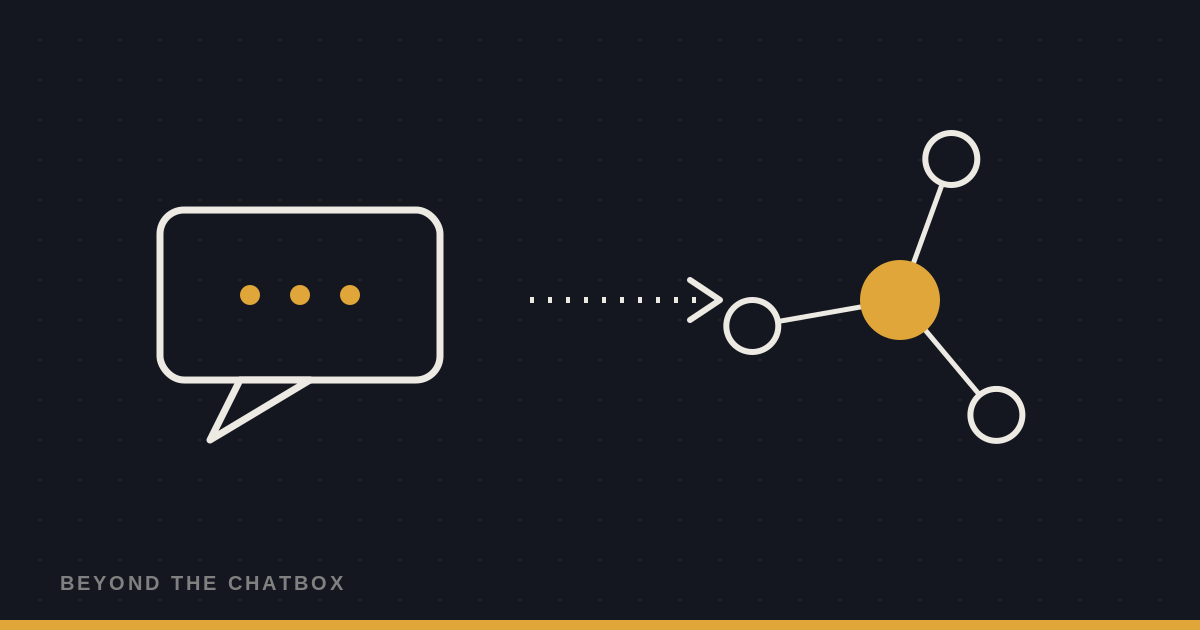
The Difference Between a Chatbot and an Agent
If you’ve only ever used AI as a chat box, you’ve only seen about a third of what it can do. That’s not a knock on chatbots. Typing a question and getting a good answer back is genuinely useful. It’s probably what most people picture when they hear “AI” at all. But it’s the most…
-
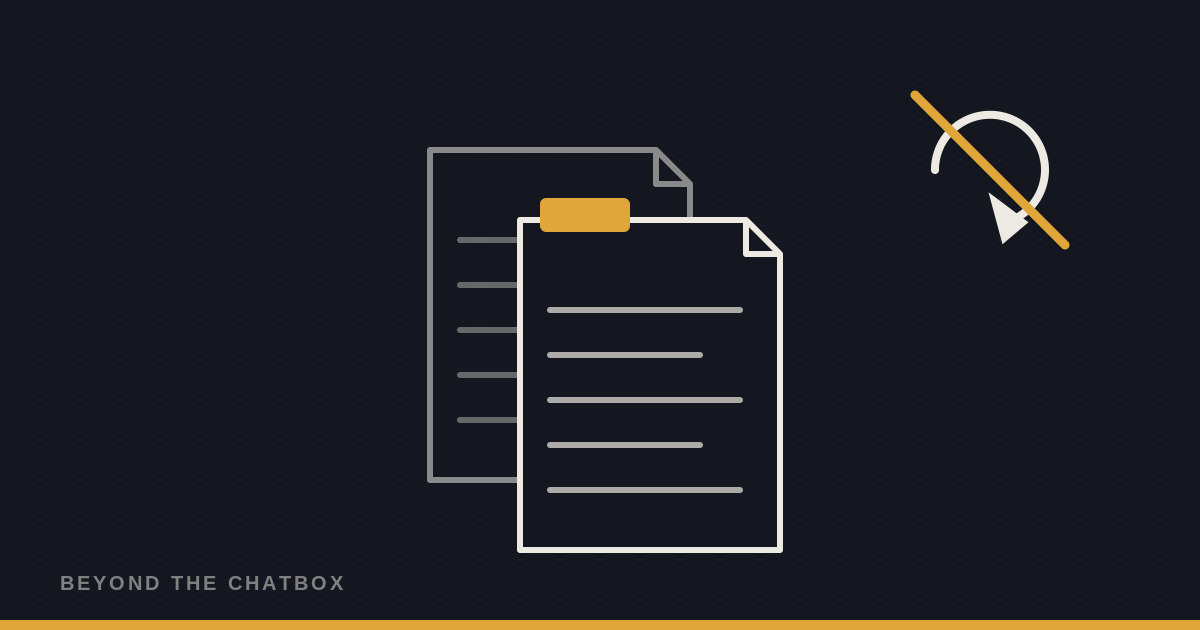
CLAUDE.md and MEMORY.md: The Two Files That Stop You From Repeating Yourself
I spent about three weeks re-explaining the same things to Claude at the start of every chat before it occurred to me there might be a better way. My tone preferences, my build commands, the fact that I use Proton instead of Gmail – all of it, retyped, every session, because a new chat starts…
-

Unlocking the True Potential of AI: Moving Beyond Simple Queries
Introduction Most users of AI tools like Claude often approach them as just another search box. However, it’s time to dive deeper and recognize the real power these systems can offer when utilized effectively. The Limitations of Basic Search Queries Using AI solely to pose questions and receive answers can be limiting. Here are a…