The Trust Ladder
The first task I ever handed an agent was “summarize this email thread.” Low stakes. If it got the summary wrong, I’d catch it in five seconds by just reading the thread myself. A year later, the same kind of tool is drafting replies, labeling an inbox, and running scheduled tasks that operate while I’m asleep. Nobody handed it that much authority all at once. It earned each step.
That’s the part of “agentic AI” that doesn’t get talked about enough. Whether an agent can act on your behalf isn’t really the interesting question anymore. Most of the good ones can. The interesting question is how much you should actually let it do, task by task, and how you know it’s time to hand over the next rung.
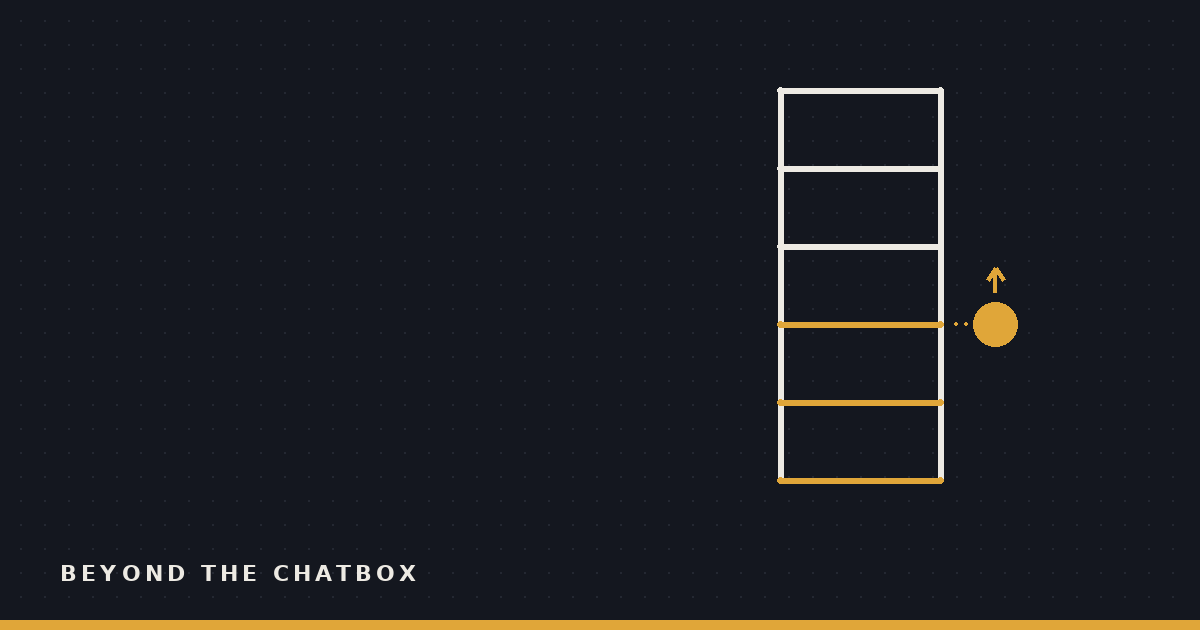
Autonomy isn’t a setting, it’s a ladder
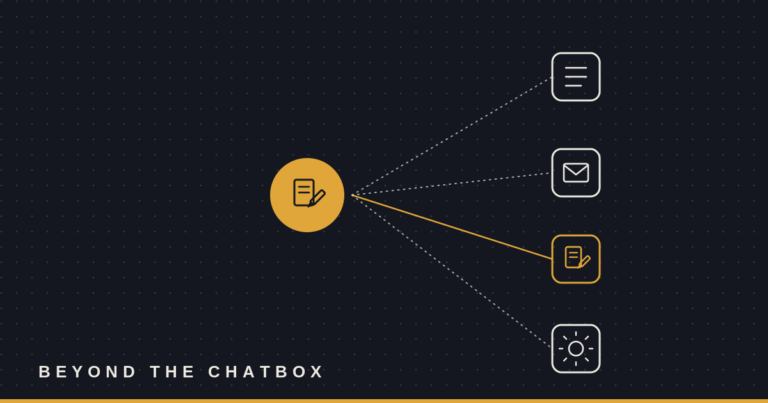
It’s tempting to think of trust as a single dial: full autonomy or full oversight, on or off. In practice it’s closer to a ladder with a lot of rungs, and where you stand depends on the task in front of you, not on some blanket policy for “AI” in general. You can trust an agent completely to summarize a document and not at all to send an email on your behalf, and that’s not inconsistent. Those are two different rungs.
The height of the rung tracks one thing mostly: what happens if the agent gets it wrong. Not how capable the model is. Not how smooth the demo looked. Just the actual cost of a mistake, and whether that mistake is easy to catch and undo.
The bottom rungs: nothing to lose
At the bottom are tasks where a wrong answer costs almost nothing. Summarizing a document, searching your files, reading a calendar and reporting back what it found. Miss something in the summary, and you notice the moment you read it. Nothing left the building. Nothing got sent, deleted, or changed.
This is where it makes sense to hand over full autonomy right away, because the downside of a mistake is measured in minutes of your own review time, not in consequences you have to clean up afterward. Most people are already comfortable here without thinking of it in those terms. Asking an agent to read your inbox and flag what’s urgent is barely different from asking a sharp assistant to skim it for you.
The middle rungs: reversible action
Climb one rung and the agent starts doing things, not just reporting on them. Drafting a reply instead of summarizing the thread it belongs to. Creating a folder instead of describing where files should live. Applying labels instead of listing which messages need them.
What makes this rung safe is that almost everything here can be undone. A draft sits and waits for you to send it or delete it. A label comes off as easily as it went on. A folder gets renamed back. The agent took an action, but you’re still the one deciding whether it sticks. That reversibility is what earns the added trust, not the agent’s track record on some unrelated task.
The top rungs: consequences that don’t undo
At the top sit the actions you can’t easily take back. Sending money. Deleting a file for good. Hitting send on an email that’s already landed in someone’s inbox. Changing a record that other systems depend on downstream.
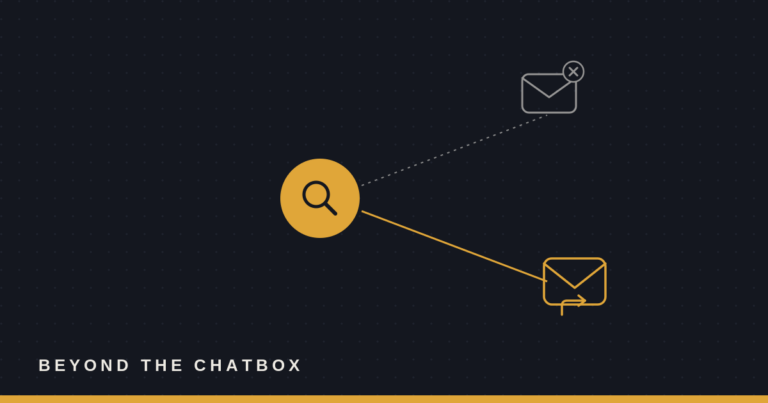
This is where “it’s been right nine times in a row” stops being a good enough reason to hand over the tenth. Nine correct calls tell you the odds are decent. They don’t tell you the tenth mistake won’t be the expensive one. It’s worth noticing that well-built tools already draw this line on your behalf in places. A Gmail connector, for example, can draft anything but has no send function at all. That’s not a limitation waiting to be lifted. It’s someone deciding, correctly, that this particular rung stays with the human.
What actually tells you it’s time to move up
Track record matters, but not in the “it’s been right before” sense. What matters more is whether the agent’s mistakes, when they happen, look like careful work that missed something versus a guess that got lucky the other nine times. An agent that stops and asks a real clarifying question when a task is ambiguous is telling you it knows the edges of what it’s sure about. An agent that plows ahead through the same ambiguity and gets it wrong is telling you something else, and that’s the signal worth weighing before handing over the next rung, not after.
The other tell is whether you’d be comfortable explaining the mistake to someone if it happened. “It sent an email with a slightly awkward summary” is an easy sentence to say out loud. “It refunded an order that didn’t qualify” is not. If you can’t picture explaining the mistake calmly, you’re not on the right rung yet for that task, no matter how well the agent has performed everywhere else.
Where this actually leads
None of this is really about the AI. It’s about building an accurate sense of where the real risk sits in each task you hand off, and giving exactly as much rope as that risk warrants, no more and no less. That’s the actual skill behind using agents well, and it’s most of what separates someone who’s delegating from someone who’s just watching an AI do a fancier version of what a chatbot already did.
The ladder doesn’t get shorter as the tools get better. It just gets easier to see which rung you’re actually standing on.